MCD VTS 2030 RACK SYSTEMS

STANDARDS AND MODULARITY IN TEST SYSTEM CONSTRUCTION
Standardized test system basis for flexible testing tasks

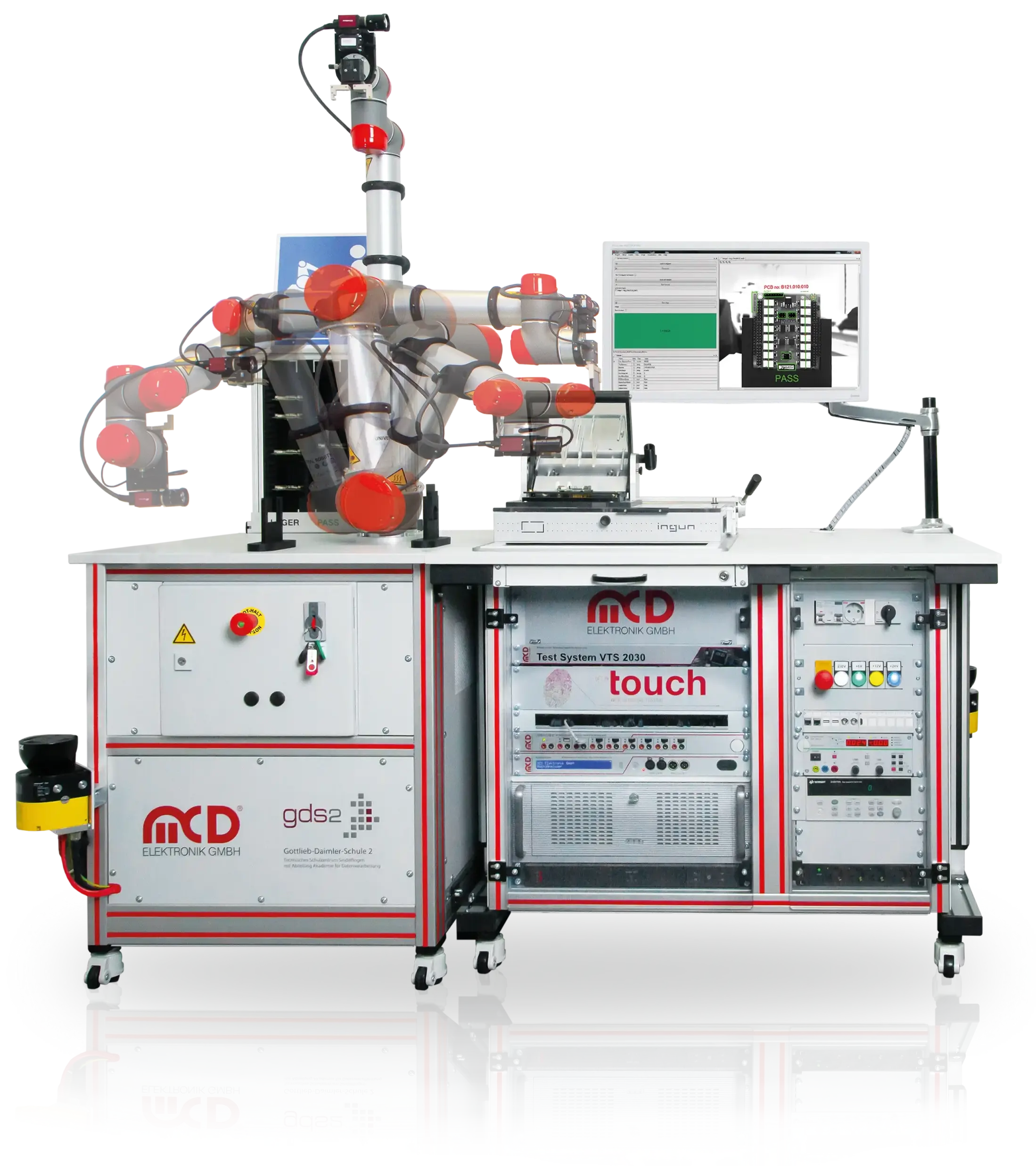
The VTS 2030 was developed as a versatile rack system on the basis of which testing tasks can be implemented faster, more structured and future-proof. The system consists of a standardized system structure with VTS rack, integrated PC, measurement and control technology, test adapter and MCD software. This creates a sustainable basis that can be adapted depending on the product, scope of testing and manufacturing environment. The particular added value lies in the combination of standardization and customer-specific expandability. While the rack, software environment, interfaces and measuring systems are based on proven MCD standards, test adapters, functional modules, contacting and adaptation options can be individually designed. This means that different assemblies, products or variants can be tested with short changeover times. The VTS 2030 is therefore particularly suitable for companies that need to cover changing products, smaller series, variant production or demanding high-end testing tasks.
Challenges and concept

The MCD VTS 2030 combines standardized and reusable system components with the flexibility of a customer-specific testing solution. Test adapters, measurement modules, software processes and automation can be specifically adapted to different test objects and test tasks.
VTS230 infotainment systems_mcd_004 (1)-1600x1067

STANDARDS AND MODULARITY IN TEST SYSTEM CONSTRUCTION

Modular concept with measuring system, adaptation and software extensions

The focus is on the MCD VTS rack as the mechanical and technical basis of the system. It can be equipped with PC, height adjustment systems, RFID modules, relay multiplexer cards and customized hardware components such as cobots or HV adapters.

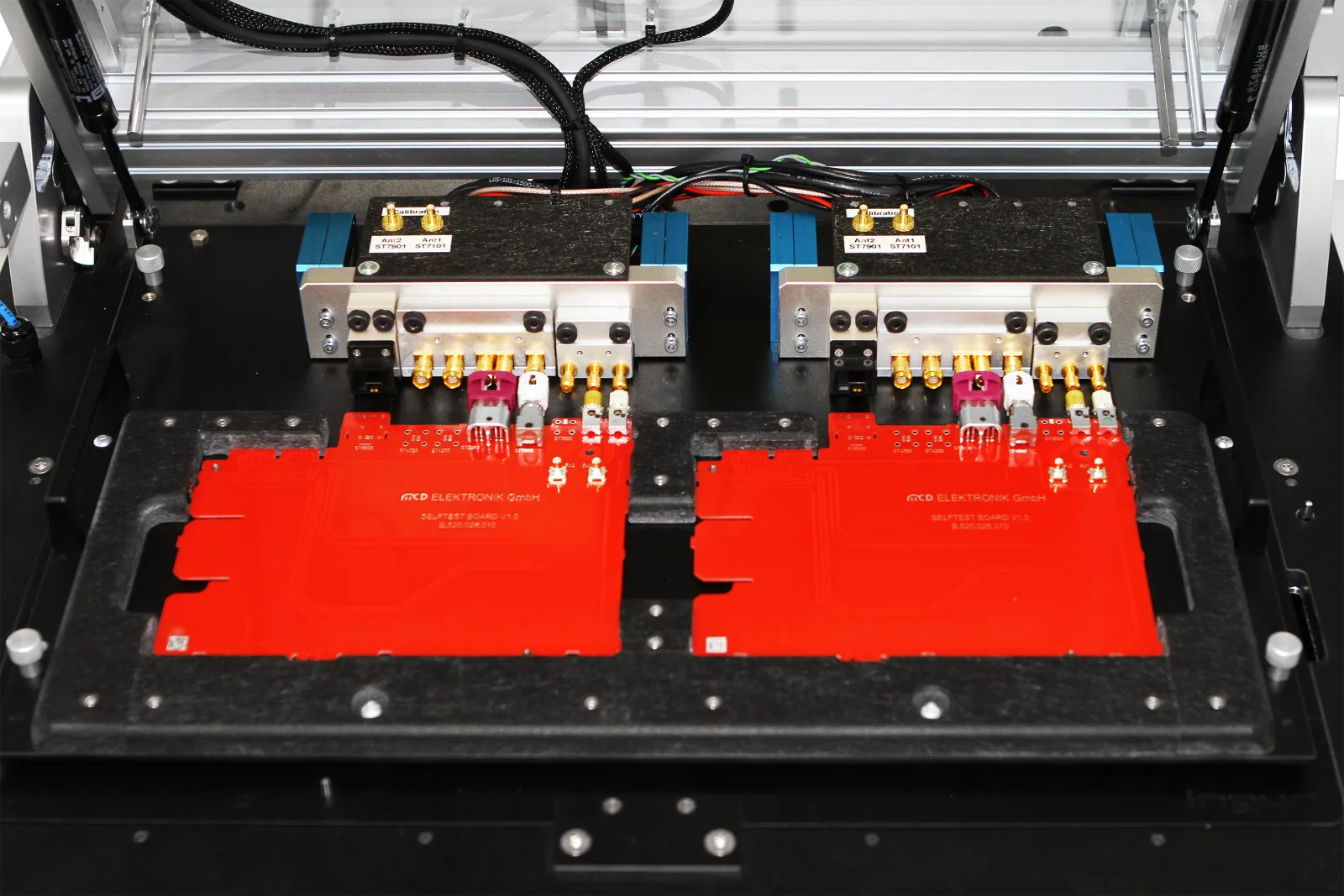
The test adapter with the holder for the test object is located on the table or system surface. Additional adapters can be retrofitted for additional test items without rebuilding the entire test system.

System base
modular MCD VTS rack
Adaptation
Interchangeable test adapters via pylon interface
Areas of application
Development, production & quality assurance
Test and functional scope

Standardized & modular

The VTS 2030 combines a standardized rack base with flexibly configurable test adapters, interfaces, hardware components and software tools. This means that the system can be adapted to different testing tasks and expanded to meet new requirements.
VTS 2030 Test System
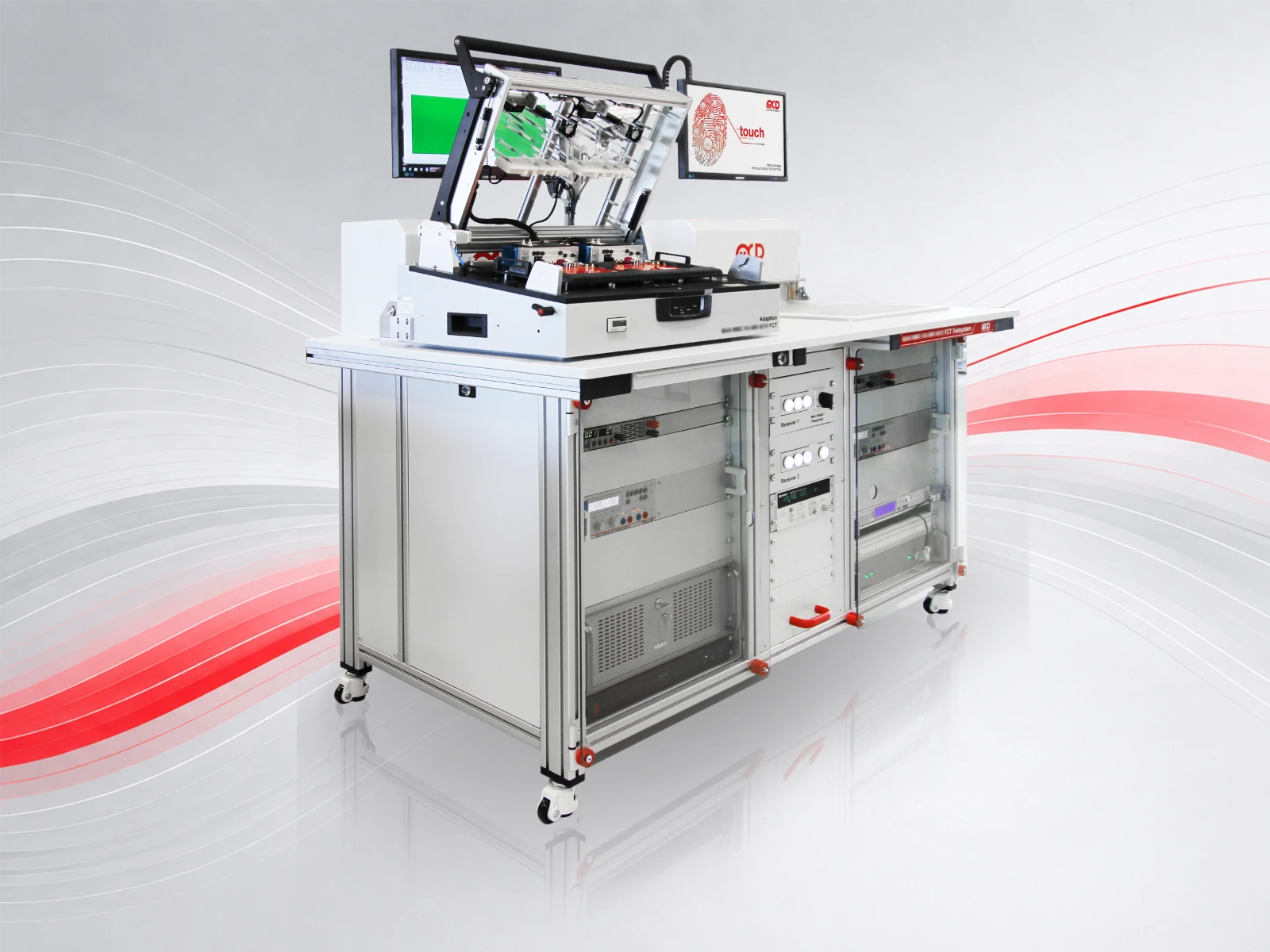
Overall View of the Test System
Test Adapter, Measurement Equipment, and Operator Monitors
Modular Test Fixture with Electronic Assemblies
Detailed View of the Test Modules
Contacting and Modular Adapter Technology
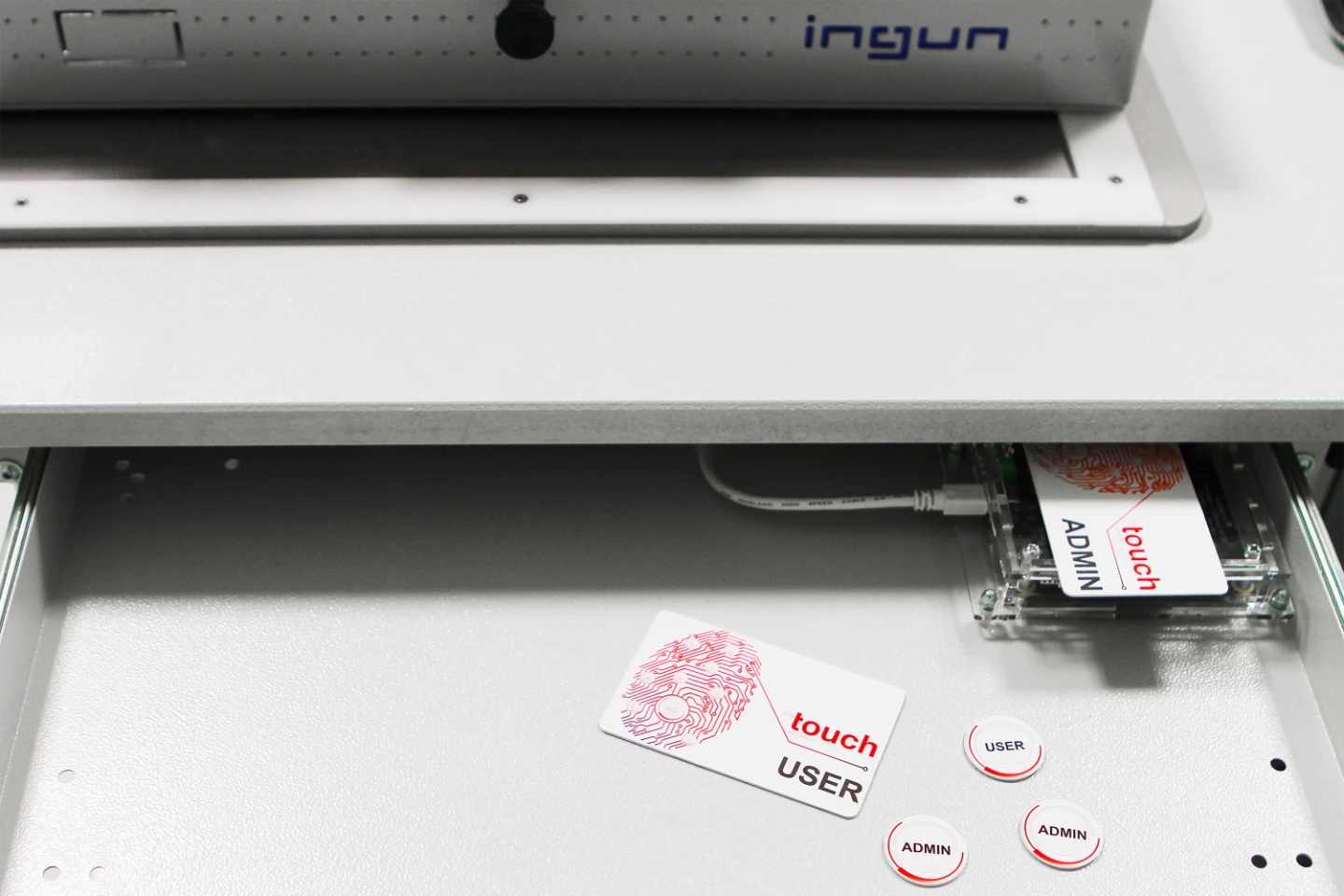
User Cards on the VTS 2030
Detailed View of the Operator Area
USER and ADMIN Labels

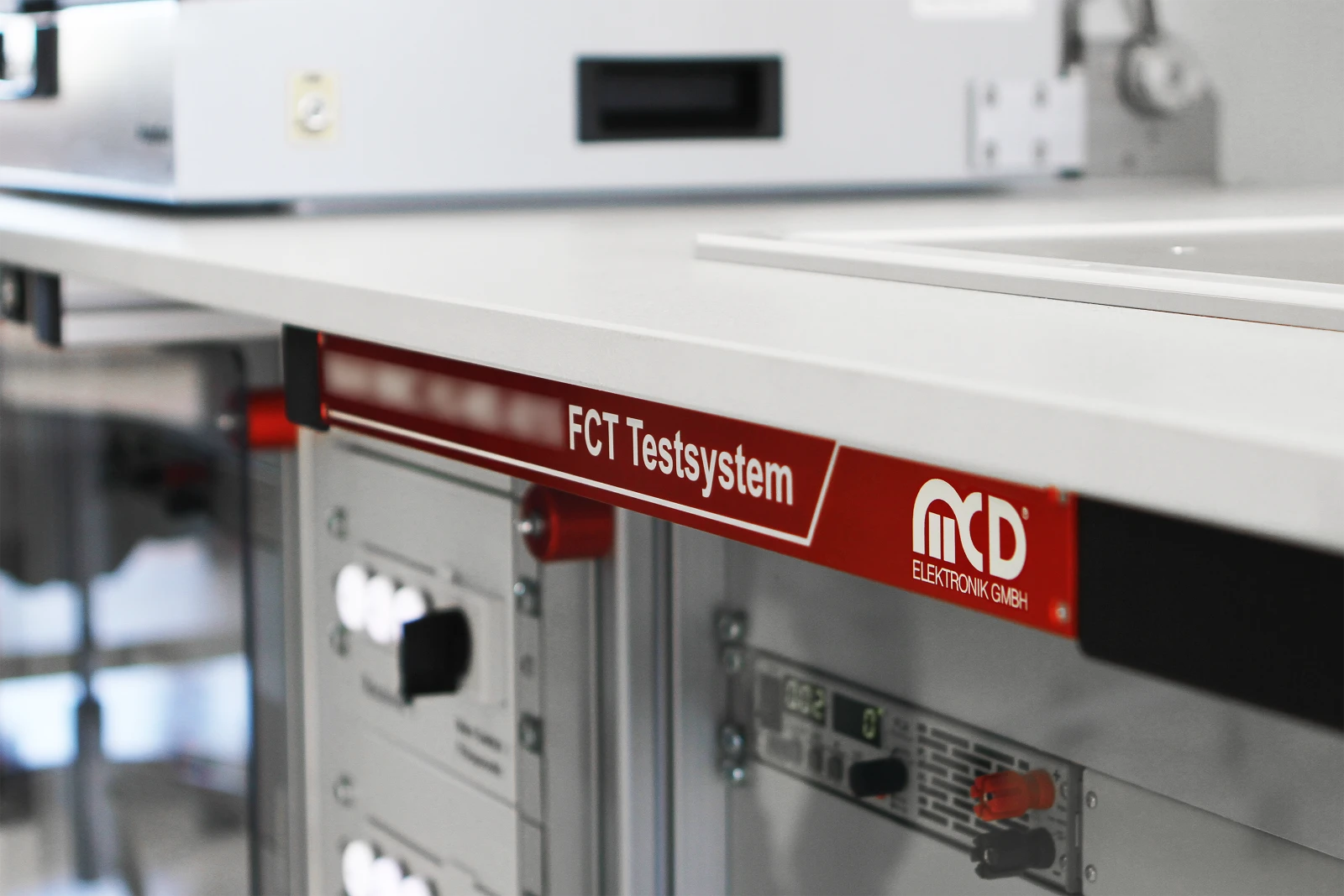
The MCD VTS Rack forms the mechanical and technical basis and can be equipped with additional components depending on the application.

  • PC integration
  • Height adjustment systems
  • RFID modules and relay multiplexer cards
  • Customer-specific hardware such as cobots or HV adapters

The pylon interface connects the test adapter and test system and enables quick, safe docking and the changing of different test adapters.

  • Interchangeable test adapters
  • Fast and safe docking
  • Retrofitting additional adapters
  • Reuse of the existing system base

Depending on the application, various interface blocks can be integrated into the system.

  • Electrical signals
  • Light guides and pneumatics
  • High current and high frequency
  • Other special requirements
  • MCD TestMate and MCD TestManager
  • MCD Comet
  • MCD tool monitors
  • Integration of customer software environments such as LabVIEW
Added value for development, production and quality assurance

The VTS 2030 reduces the effort for new testing tasks because central system components are standardized and reusable. Test adapters, measurement modules, software processes and automation remain flexibly adaptable in development, production and quality assurance.

Test procedures and concepts used

The VTS 2030 is based on a modular system concept comprising a standardized rack base, interchangeable test adapters, flexibly integrated interfaces, and software tools for control, analysis and documentation.

Modular system concept
Standardized and reusable system components
Customizable test adapters
Expandable measurement modules and hardware components
Flexible automation
Adaptation and interface concept
Pylon interface for test adapters
Electrical signals, fiber optics and pneumatics
High current and high frequency
Quick replacement and retrofitting of adapters
Software, documentation and quality assurance
Control, analysis and documentation of the test sequence
Clear result display and defined operator guidance
Digital documentation and traceability
Data basis for evaluation and process optimization

Variants and expansion stages of the VTS 2030

The VTS 2030 is not limited to a fixed version, but can be designed differently depending on the application.

VTS 2030 as a manual test station

For manual functional tests, repair stations, assembly stations, or packaging inspections. The operator loads the test item, makes contact with it, and tests it.

VTS 2030 with interchangeable test adapters

For products with multiple variants or interchangeable assemblies. Adapters can be quickly swapped out using Pylon receivers and compatible interface blocks.

VTS 2030 with optical test adaptation

For inspection tasks that combine electronic measurements with image processing, for example, using a camera, sensors, and the MCD Toolmonitor Vision.

VTS 2030 with Robot or Cobot Application

For semi- or fully automated inspection processes. Robots can grasp test specimens, operate adapters, assist with optical inspections, and sort components based on inspection results.

FREQUENTLY ASKED QUESTIONS

FAQS

“VTS 2030” refers to a standardized rack system characterized by a high degree of innovation and future-proof design. This modular concept, derived from test system engineering, combines a base rack with various configurations and additional components—including an integrated PC, measurement and control technology, test adapters, and software tools—to enable customization based on the product, scope of testing, and manufacturing environment.
A VTS 2030 rack system typically consists of several components: the base rack system, the necessary interface technology, interchangeable test adapters, the custom-designed measurement and stimulation system, handling components, and the appropriate software tools. The basic configuration includes, among other things, IPCs, 19″ hardware and 10″ control cabinet components, an emergency power supply, an emergency stop control, a power-on switch, and display components.
The VTS 2030 can be equipped with a variety of electrical, digital, and communication interfaces. These include serial interfaces, LAN interfaces, power supplies, data loggers with DAkkS calibration, mechanical controls, USB, and—optionally—CAN, LIN, PLC, AudioAnalyzer, and oscilloscope communication. In addition, the system supports up to 512 measurement and stimulus channels, voltage and frequency measurement, FFT analysis, and waveform generation.
Customization is achieved primarily through the test adapter and the configurable measurement and interface technology. Adapters can be designed for FCT, EOLT, repair, assembly, or test tasks. Thanks to pylon receivers and standardized connectors, adapters can be quickly swapped out, allowing users to respond to changing test requirements. This enables the same rack platform to be used for different assemblies, test tasks, and product generations.
Thanks to its modularity and standardization, the VTS 2030 reduces development effort, increases process reliability, and offers a scalable test platform that can grow alongside new products, test requirements, and levels of automation. For users in manufacturing, this primarily means shorter commissioning times, reproducible test sequences, and a high degree of adaptability when dealing with changing products or variants.